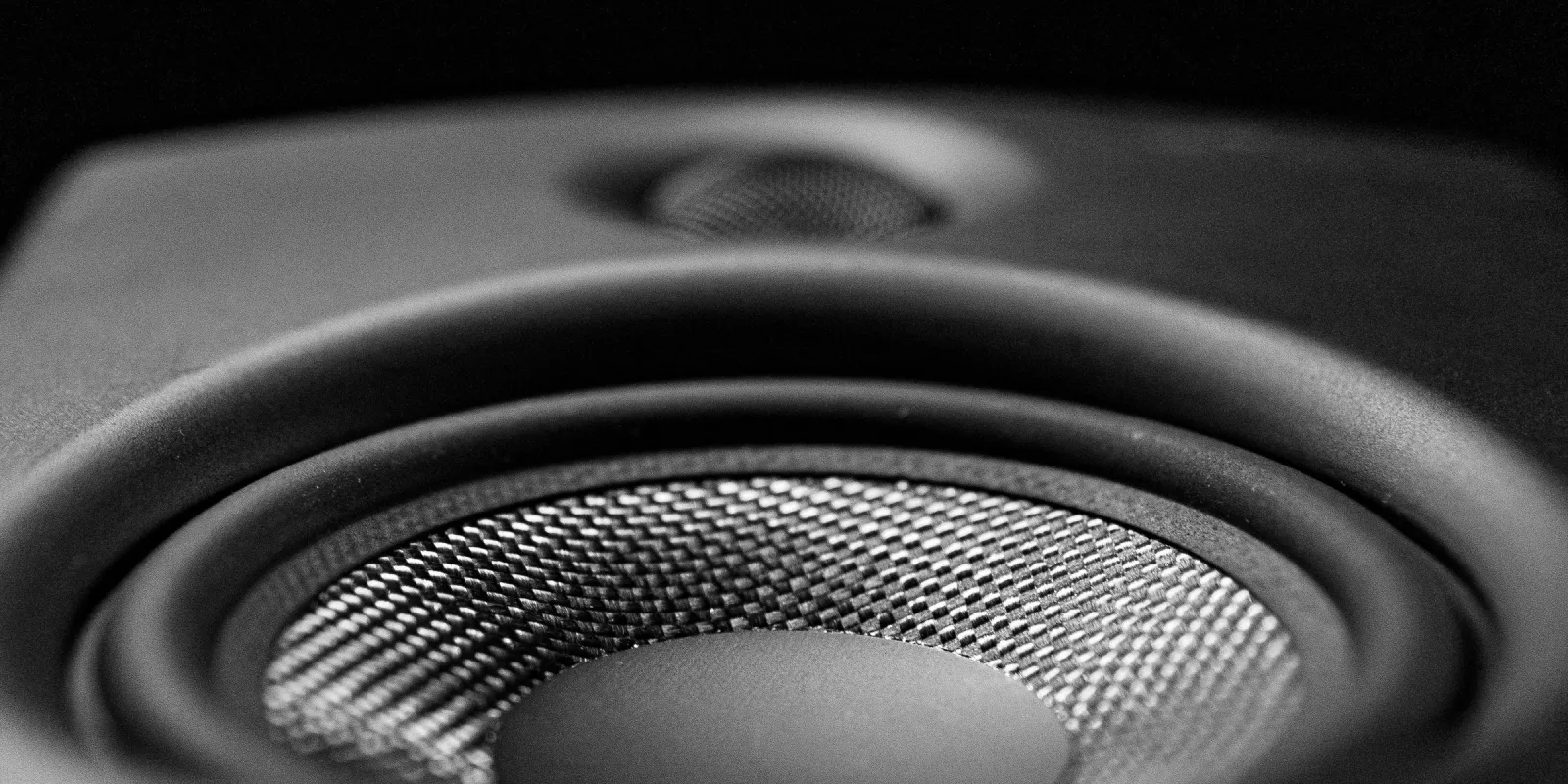
Few budget speakers built a reputation like the Pioneer SP-FS52. Designed by Andrew Jones — the engineer behind several highly regarded high-end speakers — it showed that careful crossover design could make an inexpensive tower sound far more refined than its price suggested.
The SP-FS52 is now discontinued and Pioneer has no direct successor, so it’s mostly a used-market speaker. This updated review explains what made it stand out, what to check before buying one, and which current speakers we’d compare it with. (An earlier version of this page wrongly described it as a complete surround package and quoted customer ratings; we’ve corrected that.)
How we researched this: This guide is based on manufacturer specifications, owner documentation, published third-party measurements and professional reviews. We have not hands-on tested these speakers unless a section says so. Our methodology
What made the SP-FS52 special
- A real crossover. Budget speakers often use minimal crossovers. The SP-FS52 used a more complex network with quality components to blend tweeter and woofers smoothly — the main reason it sounded composed.
- Three 5.25-inch woofers. Multiple small woofers add cone area for bass and output while keeping the cabinet slim.
- 1-inch soft-dome tweeter with a larger magnet than typical budget designs for better sensitivity and control.
- Sold individually as a single speaker, with matching Andrew Jones bookshelf and center models available at the time.
The trade-off is efficiency: like many smooth-sounding budget designs, it benefits from an amplifier with some headroom rather than the cheapest receiver pushed hard.
Pros and cons
Pros
- Well-engineered crossover for a budget tower.
- Balanced, unfatiguing presentation (widely noted by reviewers at the time).
- Slim, light cabinet.
Cons
- Discontinued — no new stock or warranty.
- Small woofers limit deep bass; a subwoofer helps for movies.
- Not the most efficient design — avoid underpowered amplifiers.
- Basic vinyl finish.
Buying used
Inspect woofer surrounds and the tweeter dome, test for buzzes, and make sure the binding posts are intact. Because these were inexpensive new, a used pair is only worthwhile at a clearly lower price than a new budget tower.
Current alternatives
The older comparison on this page featured Bluetooth towers that aren’t comparable hi-fi speakers. These are better current matches:
Polk Audio Monitor XT60
A slim, light entry-level tower that uses passive bass radiators instead of a port — an easy, affordable first step up from bookshelf speakers.
- Slim 7.5 in. wide cabinet is easy to fit
- Passive radiators instead of a port ease near-wall placement
- Wide 25–200 W amplifier range
- Design2-way passive
- Drivers1 in. Terylene dome tweeter, 1x 6.5 in. bi-laminate paper woofer, 2x 6.5 in. passive bass radiators
- Sensitivity86 dB (1W)
- Impedance4–8 Ω amp compatible
Klipsch Reference R-600F
Klipsch’s horn-loaded tweeter and very high efficiency make this tower play loud on small amplifiers — a lively choice for movies.
- Very high efficiency (96 dB, in-room rating)
- Response quoted ±3 dB (38 Hz–21 kHz)
- 8 Ω — easy for any receiver
- Design2-way passive, horn tweeter
- Drivers1 in. aluminum LTS tweeter on 90x90 Tractrix horn, 2x 6.5 in. spun-copper TCP woofers
- Sensitivity96 dB (2.83V, in-room)
- Impedance8 Ω nominal
Sony SS-CS3
A long-running budget 3-way tower with a super tweeter. Availability in the US varies — check the listing is new stock.
- Light, narrow 3-way design
- 88 dB (2.83V) sensitivity
- Super tweeter extends treble
- Design3-way passive
- Drivers25 mm (1 in.) soft-dome tweeter, 19 mm (0.75 in.) super tweeter, 2x 130 mm (5.1 in.) cone woofers
- Sensitivity88 dB (2.83V)
- Impedance6 Ω nominal
See the full list in our best budget tower speakers guide.
Frequently asked questions
Is the Pioneer SP-FS52 discontinued?
Yes. Pioneer no longer sells it new and there’s no direct successor. You’ll mostly find it used or refurbished.
Who designed the Pioneer SP-FS52?
Andrew Jones, a speaker engineer known for high-end designs, who later worked on ELAC’s affordable Debut and Uni-Fi ranges.
Does the SP-FS52 need a subwoofer?
For music in a small room, not necessarily. For movies or bass-heavy music, a subwoofer noticeably improves impact because three 5.25-inch woofers have limited low-bass output.
What's a good modern replacement?
Look at the Polk Monitor XT60 for a slim budget tower, the Klipsch R-600F for higher efficiency and louder home theater, or ELAC’s Debut 3.0 towers if you can stretch your budget.
Verdict
The SP-FS52 proved how much a good crossover matters. It’s still a reasonable used buy at a low price, but new buyers are better served by current budget towers with warranties.
Related guides: Pioneer Elite SP-EFS73 review · ELAC Debut 3.0 DF63 review · Floor-standing speakers under $500
Leave a Reply