Best Tower Speakers
Best Tower Speakers (2026): Research-Based Picks for Every Room and Budget
Eight research-based tower speaker picks for every room size, amplifier and budget, plus a plain-English guide to choosing the right pair.
Independent buying guides, detailed comparisons and practical audio advice to help you build a better listening experience.
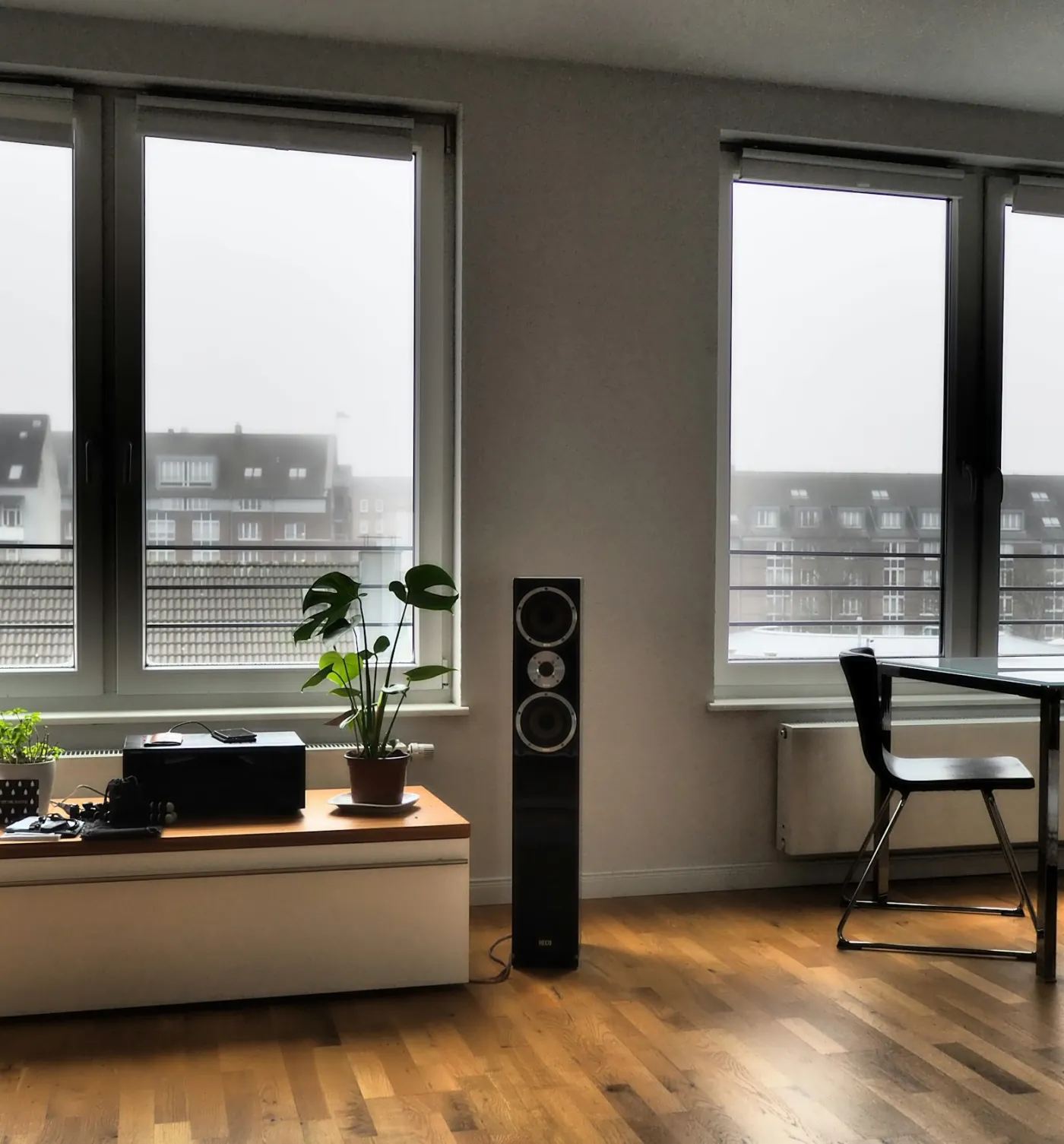
Photo: Roxanne Joncas / Unsplash
Start with the guide that matches what you need. Each one explains who a speaker suits — and who should skip it.
Eight research-based tower speaker picks for every room size, amplifier and budget, plus a plain-English guide to choosing the right pair.
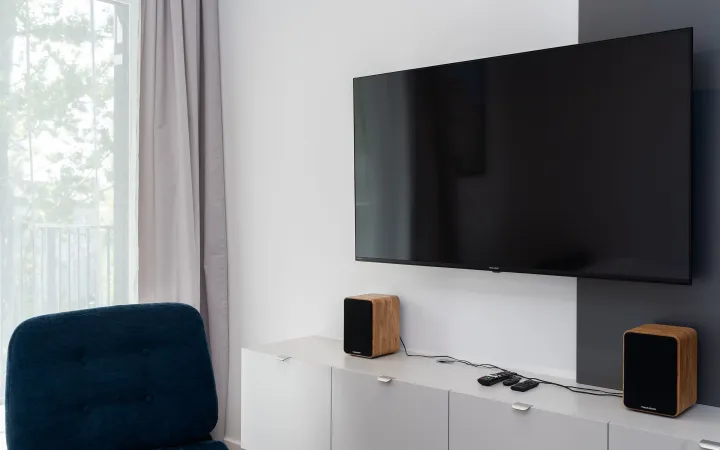
Research-based budget tower speaker picks from Polk, Yamaha, Sony, Klipsch and Fluance, plus how to budget for an amp and a future subwoofer.
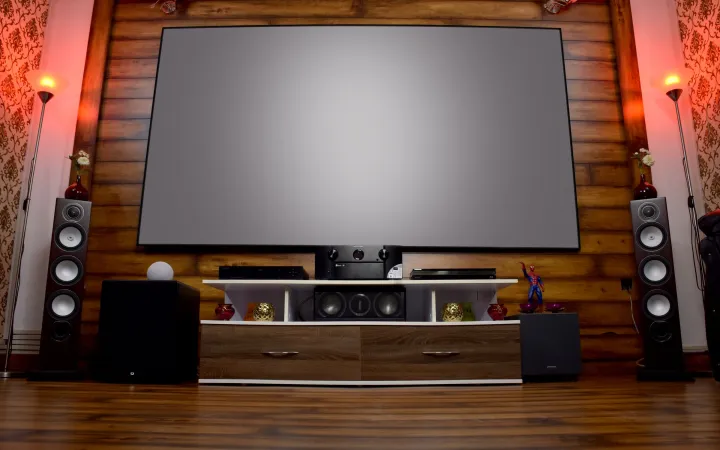
Six tower speakers that suit a home theater front stage, picked from manufacturer specs, plus how to match a center, receiver, subwoofer and Atmos…
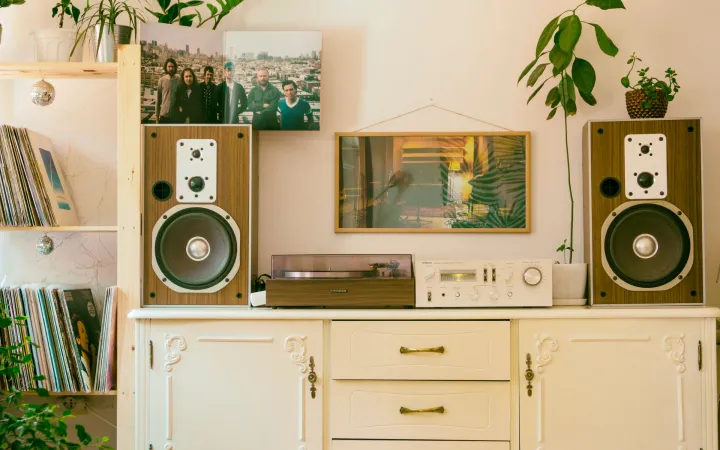
Seven tower speakers for two-channel music listening, chosen on manufacturer specs, plus amp pairing, placement for imaging, and 2-way vs 3-way.
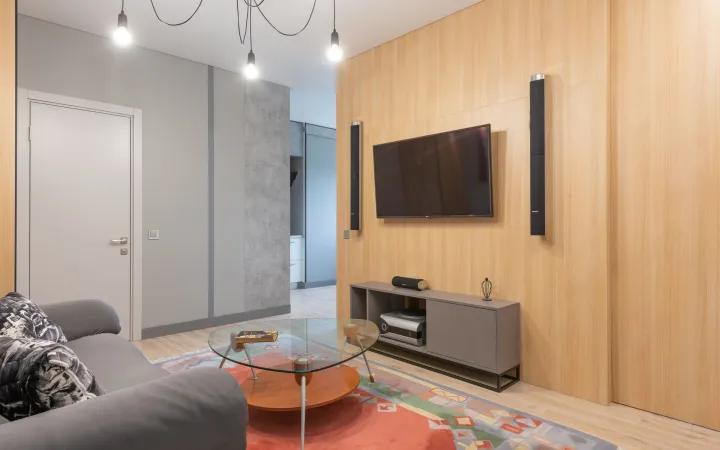
Six slim tower speakers that suit small rooms, chosen on manufacturer specs, plus why port location matters and when bookshelf speakers make more sense.
Research-based premium floorstanding speaker picks from KEF, Polk Reserve, Klipsch, Definitive Technology, Q Acoustics and DALI, with amp and setup advice.
Answer a few questions and discover what type of tower speakers may suit your room and listening preferences.
Shortlists built from verified manufacturer specifications. Check current pricing on Amazon — it changes often.
Three 6.5 in. woofers, 90 dB sensitivity and 32 Hz rated extension make this a versatile, easy-to-drive tower for music and movies in medium to large rooms.
A slim, light entry-level tower that uses passive bass radiators instead of a port — an easy, affordable first step up from bookshelf speakers.
The bigger Monitor XT adds a second woofer and two 8 in. front-mounted passive radiators for more bass, while staying easy to drive.
The larger Debut 3.0 tower: a 3-way with 6.5 in. drivers and 31 Hz (−6 dB) extension in a slim 7.7 in. cabinet.
A slim 7.1 in. wide 2.5-way tower with an easy 8-ohm-compatible load — a natural fit for smaller rooms and modest stereo amplifiers.
Dual 8 in. Cerametallic woofers and Klipsch’s highest efficiency make this a natural pick for big rooms and dedicated theaters.
Dual 8 in. woofers, a waveguide tweeter and 91 dB sensitivity give the Stage 280F big-room output for movies at a mid-range price.
KEF’s Uni-Q point-source driver with Metamaterial Absorption Technology aims for precise imaging; a port bung helps in smaller rooms.
Specifications from manufacturer documentation. We do not show prices because Amazon prices change frequently — use the buttons to see the current offer.
In-depth, research-based reviews. Each one states clearly how it was researched.
Klipsch's biggest Reference tower, analyzed from its specs: horn tweeter, dual 8-inch woofers, rear Tractrix ports and what 98 dB in-room really means.
ELAC's slim 3-way Debut 3.0 tower, analyzed from specs and published measurements — including its disputed impedance rating.
A spec-driven look at Polk's slim entry-level tower: passive radiators, an 86 dB (1W) rating and who it really suits.
Brand against brand, design against design. Clear verdicts on which suits which listener.
Polk and Klipsch take very different routes to good sound. We compare their tower lineups tier by tier, from specs to amps and placement.
The essentials, explained without jargon — so you can read a spec sheet with confidence.
Plan your room, check amplifier pairing and split your budget before you buy.
The supporting gear that helps a good pair of towers perform properly.
A 12 in. ported subwoofer with LFE and speaker-level inputs — a simple way to add deep bass to an entry-level system.
A compact sealed 12 in. subwoofer with a 325 W RMS amplifier and app control — tidy and tight-sounding in smaller rooms.
A 7.2-channel 8K receiver with Audyssey room correction and HEOS streaming — a capable hub for tower speakers in a home theater.
A stereo integrated amplifier with a phono stage, Bluetooth and digital inputs — a sensible music-first partner for tower speakers.
14-gauge copper speaker wire with an in-wall-rated (CL2) jacket — plenty for typical home runs.
Gold-plated locking banana plugs for tidy, secure speaker connections.
Our most useful guides for anyone planning a new system.
A practical, step-by-step way to choose tower speakers: room, use, budget, amplifier match, design, size and how to read reviews critically.
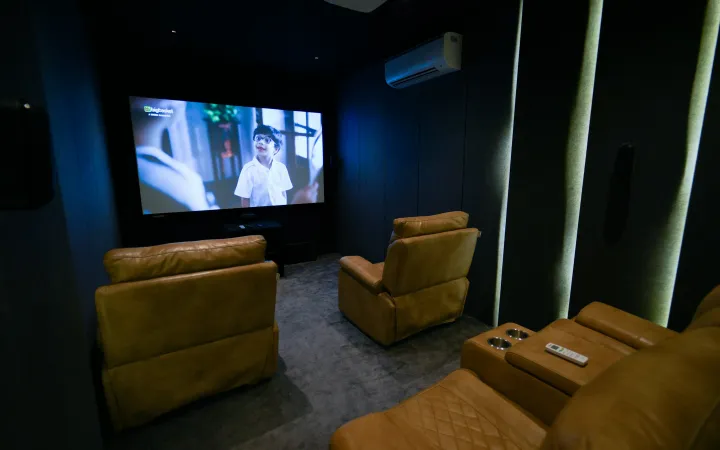
Tower speakers don't strictly need a subwoofer, but movies and larger rooms usually benefit. Here's how to decide, plus crossover and placement basics.
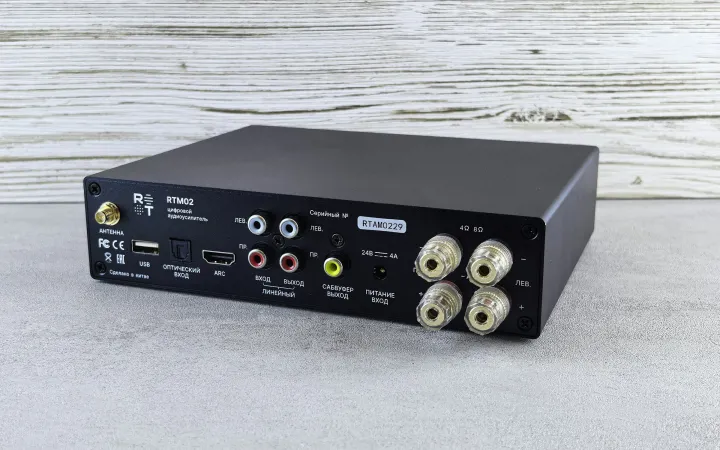
Passive, powered and hybrid tower speakers explained: what each needs, what it costs to own, and when a powered bookshelf plus sub is smarter.
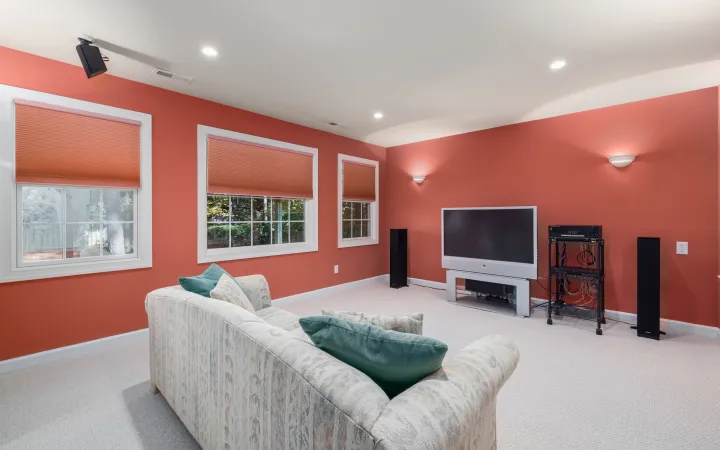
Eight research-based tower speakers for around $1,000 a pair, from 3-way ELACs to big-bass JBLs, with clear notes on pair vs single pricing.