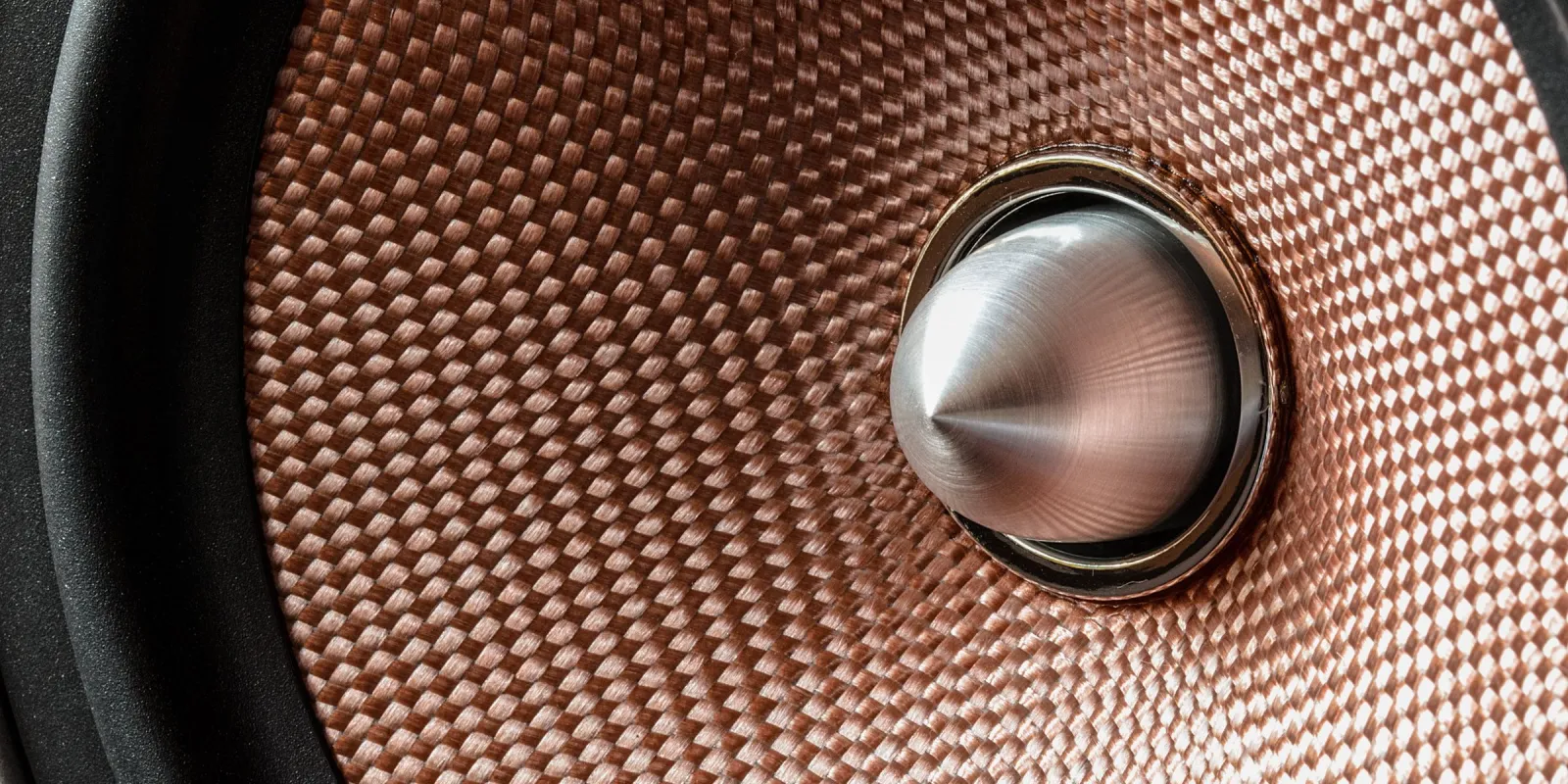
Infinity has been making loudspeakers since 1968 and is part of Harman (owned by Samsung), alongside JBL. Its best-known modern home tower was the Reference R263 — a 3-way design built with Infinity’s CMMD (Ceramic Metal Matrix Diaphragm) drivers and praised by reviewers for strong value.
This updated review corrects several specifications that appeared in the earlier version of this page (which listed the wrong midrange size, impedance and sensitivity) and reflects the R263’s current status: it has been discontinued by many retailers and is now mostly found as remaining stock, refurbished or used.
How we researched this: This guide is based on manufacturer specifications, owner documentation, published third-party measurements and professional reviews. We have not hands-on tested these speakers unless a section says so. Our methodology
Infinity Reference R263: corrected specifications
| Spec | Infinity Reference R263 |
|---|---|
| Design | 3-way, bass reflex (ported) |
| Tweeter | 1 in. (25 mm) CMMD dome |
| Midrange | 5.25 in. (130 mm) CMMD |
| Woofers | 2 × 6.5 in. (165 mm) CMMD |
| Nominal impedance | 6 ohms (Harman) |
| Recommended amplifier power | 20–200 W (Harman) |
| Frequency response | 38 Hz–22 kHz (retailer listing; tolerance not stated) |
| Height × width | 1138 × 200 mm (about 44.8 × 7.9 in.) |
| Status | Discontinued at several retailers — check availability |
Sources: Harman support and specification documents and retailer spec listings. Sensitivity is not included because we couldn’t confirm it from a primary source.
What CMMD drivers are
CMMD diaphragms bond a ceramic layer to an aluminum core, aiming for a cone that is light, stiff and well-damped. Stiffer cones generally keep their shape better at high output, which can reduce certain types of distortion. Infinity used CMMD across tweeter, midrange and woofers in the R263 for a consistent design.
Who it suits
- Medium rooms, music and home theater.
- Buyers who want a true 3-way with a dedicated midrange on a budget.
- Owners of mainstream AV receivers — a 6-ohm load is generally manageable, but check your receiver’s speaker impedance setting.
Pros and cons
Pros
- True 3-way with a dedicated midrange.
- Consistent CMMD driver materials.
- Slim 7.9-inch-wide cabinet.
Cons
- Discontinued at many retailers.
- Ported cabinet benefits from space behind it.
- Used units carry no warranty.
Current alternatives
JBL Stage 280F
Dual 8 in. woofers, a waveguide tweeter and 91 dB sensitivity give the Stage 280F big-room output for movies at a mid-range price.
- Dual 8 in. woofers; 33 Hz (±6 dB)
- 91 dB sensitivity is easy to drive
- Atmos module binding posts
- Design2.5-way passive
- Drivers1 in. anodized aluminum tweeter in HDI waveguide, 2x 8 in. polycellulose ribbed-cone woofers
- Sensitivity91 dB (2.83V)
- Impedance6 Ω nominal
ELAC Debut 3.0 DF63
The larger Debut 3.0 tower: a 3-way with 6.5 in. drivers and 31 Hz (−6 dB) extension in a slim 7.7 in. cabinet.
- True 3-way with dedicated midrange
- 31 Hz rated extension (−6 dB)
- Slim cabinet with outriggers and spikes
- Design3-way passive
- Drivers1 in. aluminum dome tweeter, 1x 6.5 in. aramid-fiber midrange, 2x 6.5 in. aramid-fiber woofers
- Sensitivity87.5 dB (2.83V)
- Impedance4–6 Ω (sources differ; min 3.6 Ω)
Yamaha NS-555
A 3-way tower with waveguide-loaded tweeter and midrange, designed as a natural partner for Yamaha AV receivers.
- True 3-way with waveguides
- 35 Hz rated extension
- Bi-wiring terminals
- Design3-way passive
- Drivers1 in. aluminum dome tweeter with waveguide horn, 5 in. cone midrange with waveguide horn, 2x 6.5 in. PMD cone woofers
- Sensitivity88 dB (2.83V)
- Impedance6 Ω nominal
| Product | Design | Drivers | Frequency response | Sensitivity | Impedance | Dimensions | Sold as | Best for | Amazon |
|---|---|---|---|---|---|---|---|---|---|
| JBL Stage 280F | 2.5-way passive | 1 in. anodized aluminum tweeter in HDI waveguide, 2x 8 in. polycellulose ribbed-cone woofers | 33 Hz–25 kHz +/- 6 dB | 91 dB (2.83V) | 6 Ω nominal | 43.8 × 14.1 × 16.5 in. (H×W×D) | Single speaker | Best for Home Theater | View |
| ELAC Debut 3.0 DF63 | 3-way passive | 1 in. aluminum dome tweeter, 1x 6.5 in. aramid-fiber midrange, 2x 6.5 in. aramid-fiber woofers | 31 Hz–38 kHz (-6 dB) | 87.5 dB (2.83V) | 4–6 Ω (sources differ; min 3.6 Ω) | 43.1 × 7.7 × 10.6 in. (H×W×D) | Check listing | Best Under $1,000 | View |
| Yamaha NS-555 | 3-way passive | 1 in. aluminum dome tweeter with waveguide horn, 5 in. cone midrange with waveguide horn, 2x 6.5 in. PMD cone woofers | 35 Hz–35 kHz | 88 dB (2.83V) | 6 Ω nominal | 38.6 × 8.75 × 13.6 in. (H×W×D) | Single speaker | AV receiver partner | View |
Specifications are manufacturer-published figures. Measurement methods differ between brands, so treat small differences with caution.
Setting up the Infinity R263
- Wall distance: as a ported design, start around 2 feet from the back wall and adjust.
- Toe-in: aim slightly toward the listening seat for a focused center image.
- Receiver settings: because Harman rates it at 6 ohms, check whether your receiver has an impedance setting and follow its manual.
- Subwoofer: for home theater, set the towers to “Small” with an 80 Hz crossover as a starting point.
Buying an R263 used
Check that all four drivers on each speaker work — play pink noise or music at low volume and listen closely to each driver. Inspect cone surrounds, confirm both cabinets are free of damage, and compare the asking price with current 3-way alternatives that come with a warranty.
Frequently asked questions
Is Infinity a good speaker brand?
Infinity has a long history and is part of Harman, the same group as JBL. Its Reference series towers were generally well reviewed for value. Availability of home towers in the US has become limited.
Is the Infinity Reference R263 discontinued?
Several retailers list it as discontinued. You may still find remaining stock, refurbished or used units.
What amplifier suits the R263?
Harman recommends 20–200 W. Most mainstream AV receivers work; because it’s rated at 6 ohms, check your receiver’s manual for its impedance setting.
Related guides: Best 3-way floor-standing speakers · 2-way vs 3-way · Best tower speakers under $1,000
Leave a Reply