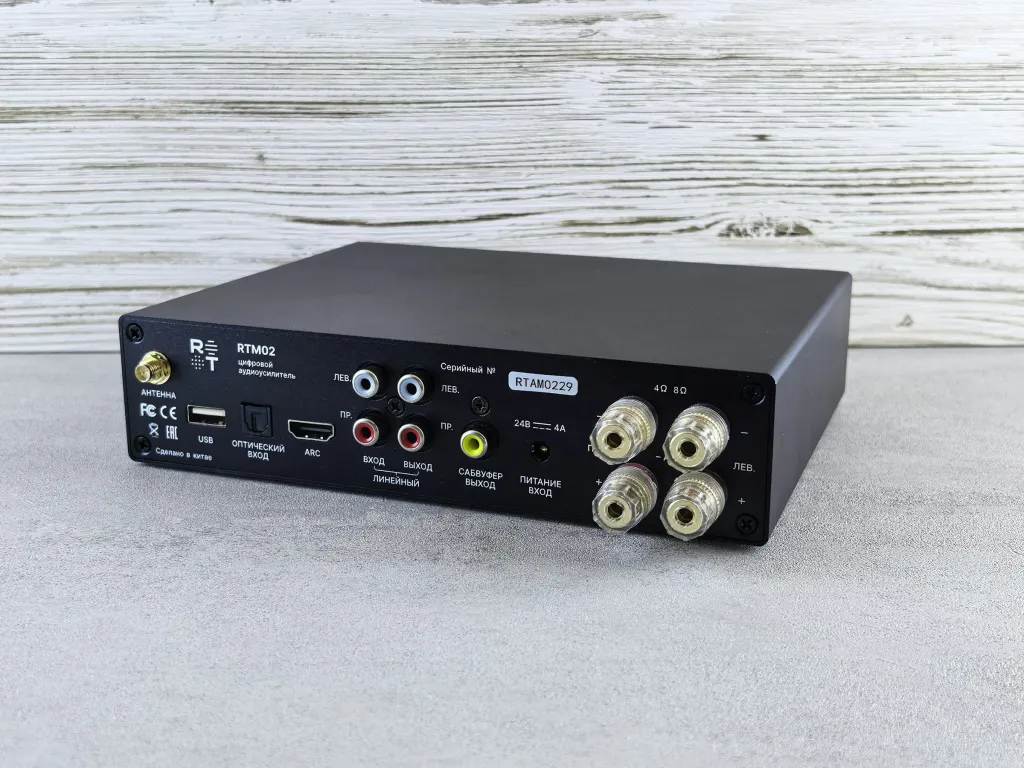
Exposed speaker wire looks messy and can be a trip hazard — especially in a surround-sound setup where cables run to the back of the room. The good news: you don’t need to rip up floors to tidy things up. This guide covers the simplest methods first, then the more permanent options.
We’ve updated our original guide with clearer pros and cons for each method and important safety notes. (We’ve removed old per-foot price estimates, which change frequently.)
1. Adhesive cord covers along the baseboard
Plastic or rubber cord covers stick to the wall or floor along the baseboard. Most can be painted to match. They’re cheap, renter-friendly and fast to install.
See cord cover options on Amazon2. Floor cord protectors across walkways
Where wire must cross a walkway, use a low-profile floor cord protector with beveled edges. It prevents tripping and protects the cable from foot traffic.
3. Flat speaker wire under rugs
Thin, flat speaker wire (including adhesive “tape” style) can run under area rugs or along the edge of carpet with minimal bulk. Avoid placing it where heavy furniture or chair legs sit directly on it.
4. Tuck it under the carpet edge
On wall-to-wall carpet, you can often push wire into the gap between the carpet edge and the baseboard (the “tack strip” area) using a putty knife. Work carefully — tack strips are sharp.
5. Behind or under baseboards
Removing and reinstalling a baseboard lets you run wire behind it, or you can use a hollow baseboard raceway. This is more work but nearly invisible.
6. Decorative molding
Foam or wood crown molding (or chair rail) with a channel behind it can conceal wire while adding a decorative feature. It’s a good option where wires need to run up and across walls.
7. In-wall wiring
The cleanest result is wiring inside the wall to wall plates near the speakers and the receiver.
14-gauge copper speaker wire with an in-wall-rated (CL2) jacket — plenty for typical home runs.
Tips before you start
- Plan the route and measure twice. Leave a little slack at each end.
- Choose the right gauge. 16 AWG is fine for short runs to typical speakers; 14 AWG is a safer choice for longer runs or 4-ohm speakers. See our accessories guide.
- Label both ends of each cable, especially in surround systems.
- Use banana plugs for tidy, secure connections at the speaker and amplifier.
Gold-plated locking banana plugs for tidy, secure speaker connections.
Frequently asked questions
Can I run speaker wire under carpet?
Yes — flat speaker wire works well under area rugs and along carpet edges. Keep it out of heavy-traffic paths and away from furniture legs that could crush it.
Is it safe to put speaker wire inside walls?
It can be, if you use in-wall-rated cable (often CL2 or CL3), follow local building codes and keep it away from power wiring. When in doubt, use a professional.
Does hiding speaker wire affect sound quality?
No. As long as the wire is the right gauge and connections are secure, routing it along walls or under rugs doesn’t change the sound.
What's the easiest renter-friendly option?
Adhesive, paintable cord covers along the baseboard. They remove cleanly in most cases.
Related guides: How to wire floor-standing speakers · Speaker placement checklist · Best tower speaker accessories
Leave a Reply