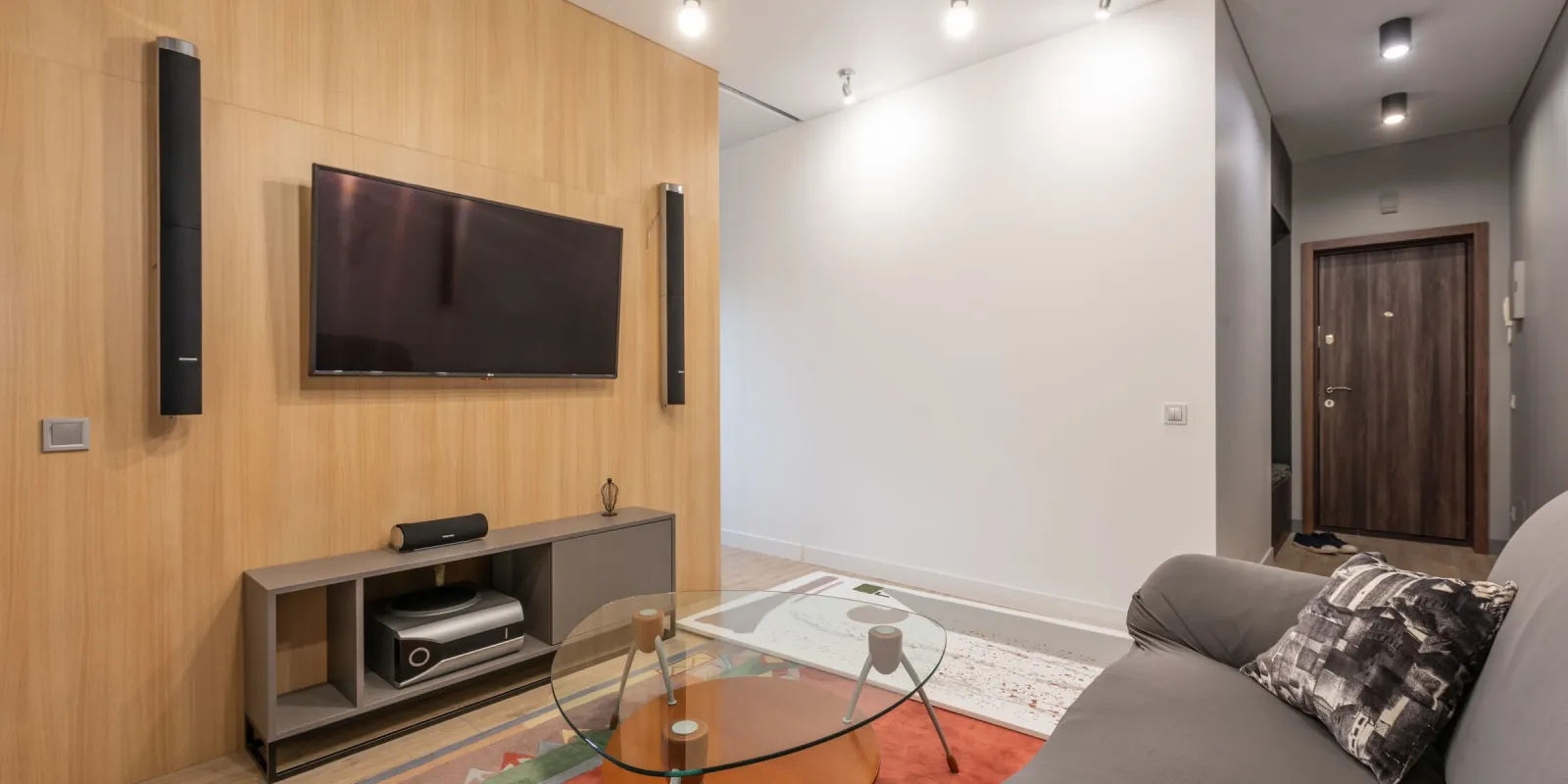
Akai is a long-established electronics brand, and today its “tower speakers” are mostly powered Bluetooth towers — all-in-one units with built-in amplifiers, Bluetooth, USB, FM radio and often a wireless karaoke microphone. They’re popular for parties and simple home setups, particularly in markets such as India where Akai’s HA-TS range is widely sold.
What Akai tower speakers are like
Retailer listings for Akai’s tower models describe a common recipe:
- Built-in amplifier — plug in and play; power ratings are typically quoted in tens of watts (e.g. 50–160 W listed, depending on model and how it’s measured).
- Bluetooth, USB and FM radio, sometimes optical or HDMI ARC on newer models.
- Wireless microphone and echo controls for karaoke.
- Wooden cabinets with a woofer and tweeters, often with LED displays or lights.
- Single tower or twin-tower configurations.
Specifications vary by region and model, so check the exact model number on the listing.
Who they suit
- Parties, karaoke nights and casual background music.
- Shoppers who don’t want to buy a separate receiver or amplifier.
- Tight budgets where convenience matters most.
Realistic limitations
- Power ratings aren’t comparable across brands — party-speaker “watts” are often peak or loosely defined figures.
- Sound quality: budget electronics and drivers prioritize loudness and features over accuracy.
- No upgrade path: the amplifier is built in.
Better-sounding alternatives
If music and movie quality matter, budget passive towers with a compact amplifier usually sound far better:
A slim, light entry-level tower that uses passive bass radiators instead of a port — an easy, affordable first step up from bookshelf speakers.
A stereo integrated amplifier with a phono stage, Bluetooth and digital inputs — a sensible music-first partner for tower speakers.
Prefer an all-in-one? Compare other Bluetooth towers we cover: Craig, Bencley and VM Audio.
Bluetooth tower vs hi-fi tower: what the difference really is
Both look like tall speakers, but they’re built for different jobs. A powered Bluetooth tower combines amplifier, Bluetooth receiver, controls and speakers in one cabinet to keep cost and setup low. A passive hi-fi tower contains only drivers and a crossover; the amplifier is separate. That separation lets each part be optimized — and upgraded — independently.
| Powered Bluetooth tower | Passive hi-fi tower + amp | |
|---|---|---|
| Setup | Plug in, pair phone | Connect speakers to an amplifier or receiver |
| Extras | Mic input, FM, USB, lights | Depends on amplifier (Bluetooth, phono, HDMI) |
| Sound priority | Loudness and features | Accuracy and dynamics |
| Upgrade path | Replace the whole unit | Upgrade speakers or amp separately |
Tips if you buy an Akai tower
- Check the inputs you need — optical or HDMI ARC for a TV, or just Bluetooth for phones.
- Read power claims carefully. Compare like with like (RMS vs peak) and don’t assume a higher number means better sound.
- Position it well. Keep it a little away from walls and corners to avoid boomy bass, and raise volume gradually to avoid distortion.
- Use the EQ sparingly. Heavy bass boost on small drivers increases distortion.
- Keep the microphone away from the speaker to avoid feedback squeal when singing.
Frequently asked questions
Are Akai tower speakers good?
They’re good value for parties and convenience, with built-in amplifiers, Bluetooth and karaoke features. For critical music listening or home theater, passive hi-fi towers with an amplifier usually sound better.
Do Akai tower speakers need an amplifier?
No — they’re powered, with amplifiers built in.
Can I connect an Akai tower to my TV?
Many models offer AUX or optical inputs, and some newer models list HDMI ARC. Check the specific model’s inputs before buying.
Related guides: Passive vs powered tower speakers · Party tower speakers · Best budget tower speakers



Leave a Reply