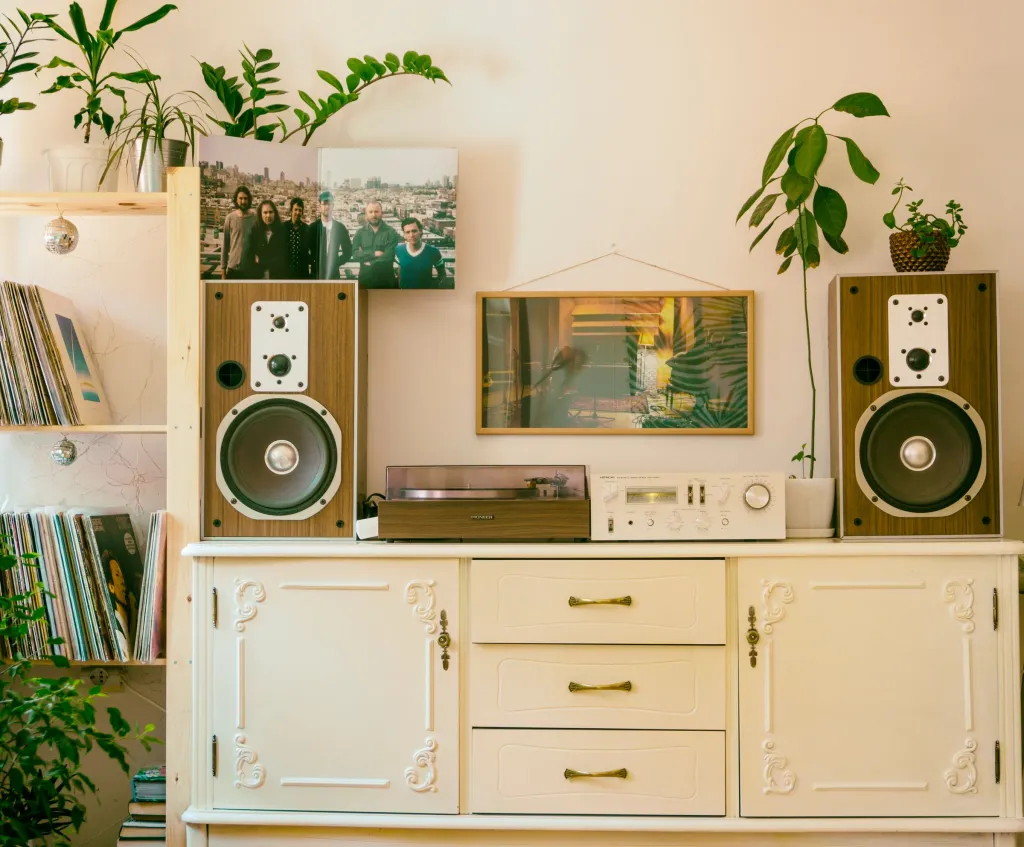
Under $200, bookshelf speakers are the most affordable way into real hi-fi sound. They’re ideal for desks, bedrooms, small living rooms and as surround speakers. Since this guide first appeared in 2022, several of our original picks have been replaced by newer models, so we’ve updated the status of each and the buying advice.
Our original picks: status in 2026
| Original pick | Type | Status / note |
|---|---|---|
| Klipsch RB-51 II | Passive | Discontinued; Klipsch’s current Reference bookshelf models replace it |
| Klipsch R-14M | Passive | Check availability; newer Reference models exist |
| Edifier R1280T | Powered | Long-running powered model — check current listing |
| Polk Audio TSi100 | Passive | Discontinued; Polk Monitor XT15 is the current entry model |
| Micca PB42X | Powered | Check availability |
| Q Acoustics 3010 | Passive | Replaced by later 3000-series models |
| Fluance Signature bookshelf | Passive | Check current Fluance lineup and pricing |
| Polk Audio Signature S15 | Passive | Replaced by the Signature Elite ES15 |
Options to consider now
- Polk Monitor XT15 (passive) — check price on Amazon
- Polk Signature Elite ES15 (passive, may exceed $200 per pair) — view on Amazon
- Sony SS-CS5 (passive 3-way, availability varies) — check current availability
- Edifier R1280T / R1280DB (powered; DB adds Bluetooth) — see options on Amazon
- Micca MB42X (passive) — explore on Amazon
We haven’t added these to our verified spec catalogue yet; confirm specifications on the manufacturer’s page before buying.
Powered or passive?
- Powered: plug-and-play, often with Bluetooth and optical inputs. Great for desks and TVs. Less upgradeable.
- Passive: need an amplifier, but you can upgrade either part later — and use them as surrounds with an AV receiver.
Read more in passive vs powered speakers.
How to get the best from cheap bookshelf speakers
- Raise them to ear height on stands or a solid shelf.
- Keep them a little away from the wall (especially rear-ported models).
- Angle them toward you.
- Add a subwoofer later for deeper bass.
Bookshelf or tower?
If you have the floor space and want more bass without a sub, towers may suit you better — see floor-standing vs bookshelf speakers and our best budget tower speakers.
Bookshelf speaker placement basics
- Ear height: tweeters roughly level with your ears when seated.
- Distance from walls: a few inches to a foot or more; rear-ported speakers need more space.
- Solid support: stands or sturdy furniture; foam pads can decouple from hollow shelves.
- Triangle: speakers and seat in an equilateral triangle; desktop speakers angled toward you.
Adding a subwoofer
Small bookshelf speakers roll off in the bass. A compact subwoofer fills in the bottom octave for movies and electronic music. Powered speakers with a sub output make this easy; with passive speakers, use an amplifier or receiver with a subwoofer output or a sub with speaker-level inputs.
Frequently asked questions
Can you get good bookshelf speakers under $200?
Yes. Entry-level models from established brands deliver clear, balanced sound for desks and small rooms. Check whether prices are per pair.
Do bookshelf speakers need an amplifier?
Passive ones do; powered ones have amplifiers built in.
Are bookshelf speakers good for TV?
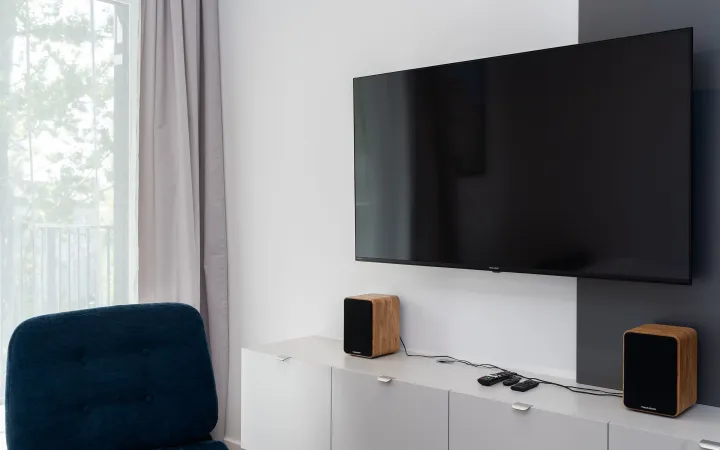
Yes — powered models with optical inputs connect directly to many TVs, and passive models work with an AV receiver.
Related guides: Bookshelf speakers vs soundbars · Tower vs bookshelf speakers
Leave a Reply